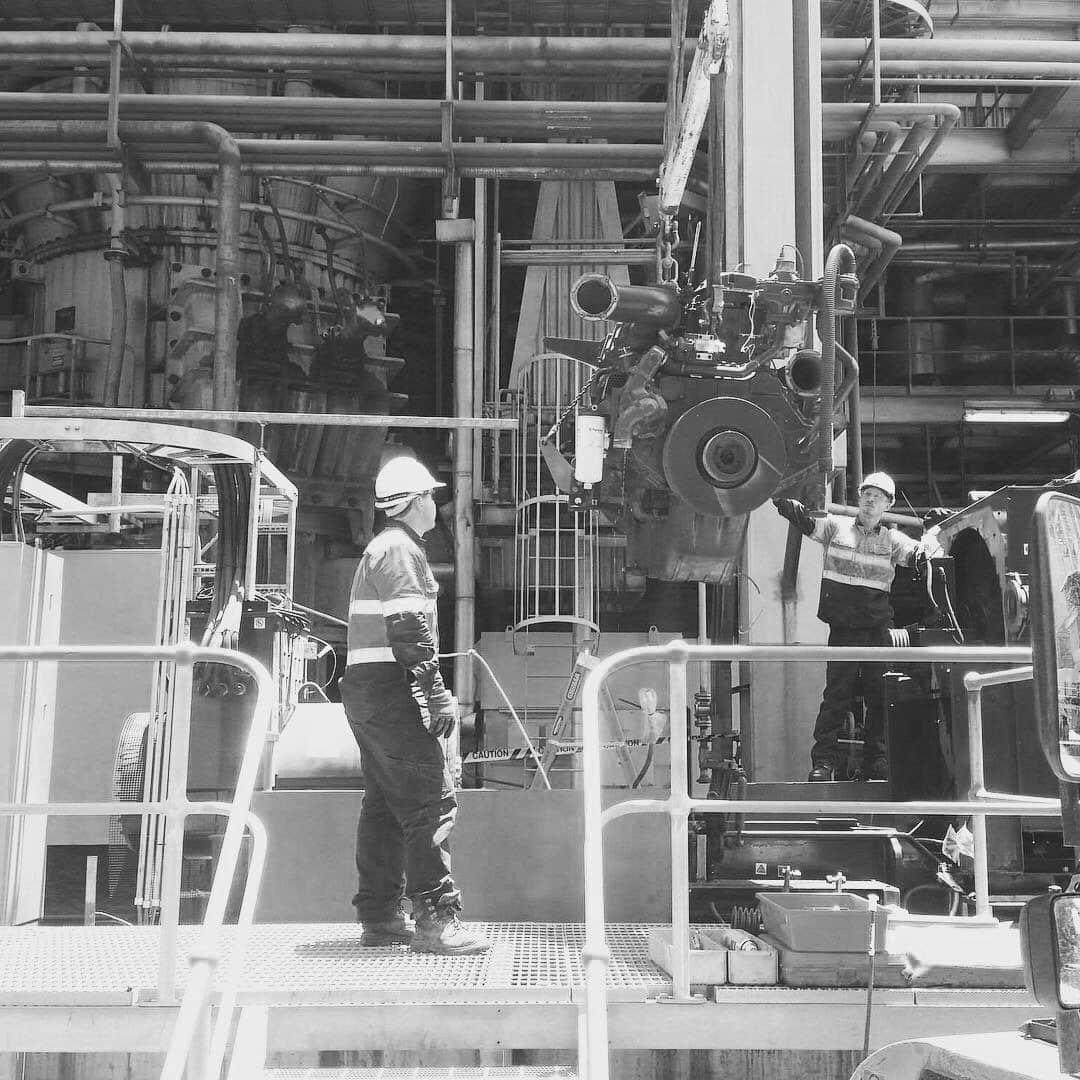
The hum of a hydroelectric generator isn't just the sound of power; it's the rhythm of a sustainable future. But like any complex machinery working tirelessly day in and day out, these giants of green energy demand meticulous attention. Effective Maintenance and Troubleshooting Hydroelectric Generators isn't merely good practice—it's the backbone of energy stability and the silent guardian of our renewable energy supply.
From the roaring cascade to the humming turbine, every component plays a critical role. When something goes awry, it's not just about fixing a part; it's about diagnosing the intricate interplay of mechanical and electrical systems to prevent costly downtime and ensure peak efficiency.
At a Glance: What You'll Discover
- Why proactive maintenance is non-negotiable for hydroelectric power.
- The critical role of skilled hydroelectric electrical technicians.
- How data analytics transforms reactive fixes into predictive strategies.
- A deep dive into routine maintenance procedures: visual, mechanical, and electrical.
- Practical approaches to troubleshooting common generator issues.
- When to call in specialized experts like REM Industrial for complex repairs or upgrades.
- Best practices for building a robust, future-proof maintenance strategy.
The Heartbeat of Green Energy: Why Hydroelectric Generators Matter
Hydroelectric power isn't just "another" renewable energy source; it's a cornerstone. Its ability to provide baseload power and rapid response to grid demands makes it an indispensable asset, offering stability that complements intermittent sources like solar and wind. But this reliability hinges entirely on the health and performance of the generators themselves. Even the smallest glitch can propagate, leading to efficiency losses, unscheduled outages, and significant financial repercussions. Understanding how these powerful machines function is the first step toward effective maintenance. To dive deeper into the mechanics, you can Learn about hydroelectric generators.
Maintaining the efficiency and reliability of these powerhouses isn't a luxury; it's a critical operational imperative that safeguards our clean energy future.
The Unsung Heroes: Hydroelectric Electrical Technicians
Behind every flicker of a light powered by hydroelectricity is a team of dedicated professionals, primarily hydroelectric electrical technicians. These aren't just mechanics or electricians; they are a unique breed, combining acute technical skill, rigorous analytical thinking, and invaluable hands-on experience. Their daily routine is far from mundane, spanning everything from calibrating sensitive sensors and repairing intricate mechanical faults to performing comprehensive system checks and, crucially, troubleshooting complex issues that stump even advanced diagnostic tools.
Their expertise is constantly evolving. In an increasingly data-driven world, these technicians are not just turning wrenches; they're also interpreting data, adapting to new technologies, and continuously sharpening their problem-solving acumen. This dual proficiency in both traditional mechanical/electrical know-how and modern data literacy is what makes them indispensable to safe and efficient operation.
From Reactive to Predictive: The Data Revolution in Hydro Maintenance
Gone are the days when maintenance was primarily a reactive scramble—fixing something only after it broke down. Modern business intelligence (BI) and data analytics, championed by platforms like DataCalculus, are fundamentally transforming routine maintenance from a costly, unpredictable repair cycle into a strategic, proactive endeavor.
Today's hydroelectric electrical technicians increasingly rely on a deluge of data:
- Monitoring trends: Tracking performance metrics over time to spot deviations.
- Vibration patterns: Analyzing subtle shifts that indicate impending mechanical failure.
- Temperature readings: Detecting hotspots that signal electrical stress or lubrication issues.
This wealth of information allows facilities to plan maintenance proactively, identify early warning signs of malfunctions long before they escalate, and make informed decisions that optimize operational lifespans. It’s about catching a whisper of trouble before it becomes a roar.
The Pillars of Prevention: Routine Maintenance Procedures
A robust maintenance strategy for hydroelectric generators is built upon a meticulously structured set of procedures, now significantly enhanced by digital tools and data analytics.
1. Visual & Mechanical Inspections: The First Line of Defense
Before any tool touches the machinery, a thorough visual and mechanical inspection provides critical insights. Technicians meticulously check for:
- Wear and Corrosion: Particularly important in water-intensive environments, checking for rust, pitting, or erosion on exposed surfaces and structural components.
- Damage and Structural Integrity: Looking for cracks, deformities, or signs of stress on the generator casing, foundation, and associated structures.
- Secure Fasteners: Ensuring all bolts, nuts, and connectors are tight and free from loosening due to vibration or thermal cycling.
Modern approaches leverage digital imaging and analytics software to create a long-term visual history, allowing for precise tracking of changes over time. Imagine comparing a high-resolution image of a turbine blade taken today with one from five years ago—any minute change in erosion or pitting becomes immediately apparent, thanks to intelligent software.
2. Electrical Tests & Calibration: Ensuring Pure Power
The electrical heart of the generator demands precise attention. This phase involves a series of critical tests and fine-tuning:
- Output Voltage, Current, and Frequency Measurement: Ensuring the generator is producing power within specified parameters for grid stability.
- Phase Balance Checks: Verifying that all three phases of power are balanced, preventing undue stress on the generator and connected systems.
- Sensor Fine-tuning and Control System Updates: Calibrating all monitoring sensors (temperature, pressure, vibration) for accuracy and updating control system software to the latest versions for optimal performance and security.
Data collected during these tests is not just recorded; it's actively compared against historical performance baselines using sophisticated BI tools. This comparison helps reveal recurring issues, identify subtle degradation, and predict potential failures that might otherwise go unnoticed.
3. Mechanical Component Maintenance: The Gears of Reliability
The moving parts of a hydroelectric generator endure immense forces and continuous operation. Their regular upkeep is paramount:
- Lubrication of Moving Parts: Ensuring all bearings, shafts, and linkages are adequately lubricated with the correct type and quantity of lubricant to minimize friction and wear.
- Rotor and Stator Alignment Examination: Precision alignment is crucial to prevent vibration, uneven wear, and potential catastrophic failure. Laser alignment tools are increasingly used for this.
- Turbine Blade Inspection: Checking for cavitation, erosion, or foreign object damage on the turbine blades, which directly impacts efficiency.
- Replacement of Worn Seals, Gaskets, and Bearings: These components are often wear items and critical for preventing leaks, maintaining pressure, and ensuring smooth operation.
The integration of predictive maintenance tools, often powered by IoT sensors, enables early detection of performance degradation. For instance, a slight increase in bearing temperature or a change in vibration signature can trigger an alert, prompting intervention before the component fails entirely.
4. Data Analytics Integration: The Brains Behind the Brawn
This isn't just another step; it's the overarching strategy that elevates all other maintenance efforts. Maintenance logs, alongside real-time sensor data, are digitized and fed into centralized dashboards. This enables:
- In-depth Analysis: Identifying patterns, correlations, and root causes of issues that might be invisible through manual inspection alone.
- Predictive Reports: Generating forecasts of potential failures and recommending optimal maintenance schedules.
- Enhanced Decision-Making: Empowering operators and managers with real-time, data-backed insights to prioritize tasks and allocate resources effectively.
- Transparency and Accountability: Creating a clear, auditable trail of all maintenance activities and their impact on generator performance.
This seamless integration, often facilitated by robust platforms, allows for continuous monitoring and analysis of generator performance indicators. Anomalies are detected long before they manifest as system failures, enabling facilities to schedule maintenance activities strategically during planned downtimes, leveraging real-time predictive insights. This proactive approach even assists in long-term budget planning and decision-making through clear data visualization of historical performance. Furthermore, collaborative platforms facilitate seamless communication among various teams, from field technicians to data analysts.
Troubleshooting Common Hydroelectric Generator Issues
Even with the best predictive maintenance, issues can arise. Effective troubleshooting is about systematic diagnosis, leveraging both human expertise and technological insights.
Common Symptoms and Their Potential Causes:
- Excessive Vibration:
- Causes: Unbalanced rotor, misaligned shafts, worn bearings, loose components, cavitation on turbine blades, electrical imbalances.
- Troubleshooting: Check balancing and alignment (often with laser tools), inspect bearings and supports, analyze vibration spectral data to pinpoint specific frequencies indicating component issues. Data analytics can quickly highlight deviations from baseline vibration patterns.
- Overheating:
- Causes: Inadequate cooling (clogged filters, pump failure, insufficient water flow), overloaded generator, electrical insulation breakdown, excessive friction in bearings.
- Troubleshooting: Verify cooling system functionality, check load parameters, conduct insulation resistance tests (Megger), inspect bearings and lubrication systems. Thermal imaging can pinpoint hotspots.
- Low Power Output/Efficiency:
- Causes: Turbine efficiency loss (blade damage, fouling), generator winding issues, excitation system problems, control system malfunction, reduced water flow.
- Troubleshooting: Inspect turbine blades, perform winding tests, check excitation system components (AVR, rectifiers), verify control logic, assess water intake and flow rates.
- Unusual Noises:
- Causes: Loose components, bearing wear, electrical arcing, cavitation.
- Troubleshooting: Localize the source using acoustic analysis or even a stethoscope, visual inspection, vibration analysis.
- Electrical Faults (e.g., Ground Faults, Short Circuits):
- Causes: Insulation breakdown, loose connections, foreign objects, winding damage, lightning strikes.
- Troubleshooting: Perform insulation resistance tests, winding resistance tests, surge tests, visual inspection for charring or arcing, analyze protective relay operations.
In all troubleshooting scenarios, clear, precise documentation of all interventions is paramount. This creates a valuable knowledge base for future issues and supports continuous improvement.
When to Call in the Experts: Specialized Repair and Maintenance Services
While in-house teams handle routine tasks, some challenges demand specialized expertise, particularly for large-scale or complex repairs. This is where companies like REM Industrial become invaluable partners.
REM Industrial provides expert repair and maintenance services specifically for hydroelectric generators, focusing on restoring performance and extending service life. Their capabilities span the full spectrum of generator components:
- Stator and Rotor Assemblies: Repairing or rewinding these critical components, which are the heart of power generation.
- Bearings and Housings: Including specialized babbitt bearings, ensuring smooth rotation and minimizing friction.
- Insulation and Windings: Upgrading or repairing insulation to prevent electrical breakdowns and enhance efficiency.
- Cooling and Lubrication Systems: Crucial for managing heat and reducing wear, ensuring these systems are fully functional.
- Control and Excitation Components: The "brain" and "nervous system" that regulate generator output and stability.
What sets specialized providers apart is their: - Specialized Expertise in Hydroelectric Applications: They understand the unique stresses and operational environments of hydro generators.
- Combined Electrical and Mechanical Capabilities: A holistic approach to repairs, addressing both interlinked aspects.
- Upgraded Insulation and Winding Systems: Often exceeding original specifications for enhanced longevity and efficiency.
- Testing and Balancing: Critical post-repair steps to ensure the generator operates smoothly and reliably.
Moreover, for large units, their field service teams offer onsite diagnostics, removal, alignment, and reinstallation, significantly minimizing downtime—a major cost saver for any power facility. If a repair isn't cost-effective, REM Industrial can even source and supply new generator components or complete units from trusted manufacturers, providing a comprehensive solution. This kind of expert support is often the difference between a quick recovery and a prolonged, expensive outage.
Building a Future-Proof Maintenance Strategy
A successful maintenance strategy for hydroelectric generators is not a static document; it's a living framework that evolves with technology and operational insights.
Best Practices for Longevity and Performance:
- Detailed Maintenance Plan: Create a comprehensive, scheduled plan covering all aspects of visual, mechanical, and electrical checks. This plan should be dynamic, adjusting based on historical data and predictive analytics.
- Regular Training for Technical Staff: Invest continuously in your team. Training should cover not only traditional technical know-how but also data literacy, familiarization with new BI tools, and emerging technologies like IoT and AI.
- Incorporate Real-time Data Analytics: Move beyond periodic checks. Implement continuous monitoring and integrate real-time data from sensors into your decision-making process. Platforms like DataCalculus are crucial for translating raw data into actionable insights.
- Precise Documentation of All Interventions: Every inspection, test, repair, and calibration must be meticulously recorded. Digital maintenance logs are essential for comprehensive reports, historical tracking, and identifying recurring issues.
- Strong Inter-Departmental Collaboration: Foster seamless communication between maintenance teams, engineering, and business intelligence units. This collaborative platform ensures data flows freely and insights are shared, leading to better-informed decisions.
- Continuous Feedback Loops: Regularly review maintenance outcomes, incident reports, and performance data. Use this feedback to refine maintenance schedules, update procedures, and identify areas for improvement.
Modernization: Investing in the Future
Implementing a modernization strategy requires a commitment to leveraging technology:
- Invest in Reliable Instrumentation: High-quality sensors, diagnostic tools, and monitoring systems are the bedrock of accurate data collection.
- Continuously Review and Analyze Data: Don't just collect data; actively analyze it. Dedicate resources to data scientists or train technicians in data interpretation to unlock its full potential.
- Establish Digital Maintenance Logs: Transition from paper records to robust digital systems that integrate with BI platforms, allowing for easy access, analysis, and reporting.
- Ensure Robust Training and Communication: Technology is only as good as the people who use it. Regular, comprehensive training for technicians on new tools and processes, coupled with clear communication channels, is essential for successful adoption.
The integration of BI and data analytics empowers facilities to plan maintenance activities during scheduled downtimes using real-time predictive insights. This proactive approach not only minimizes unexpected outages but also optimizes operational costs, making your power generation more reliable and profitable.
Challenges on the Horizon and the Path Forward
Even with advanced tools, managing hydroelectric generators comes with its unique set of challenges:
- Integrating Legacy Systems: Many older hydroelectric facilities operate with aging infrastructure and control systems that aren't readily compatible with modern BI platforms. Bridging this gap requires strategic investment and clever engineering.
- Managing Aging Infrastructure: While hydro generators are built to last, components eventually degrade. The ongoing challenge is to extend their life responsibly while planning for eventual modernization or replacement.
- Environmental Impacts and Unpredictable Weather: Hydro facilities are inherently exposed to natural elements. Extreme weather, seismic activity, or shifts in water flow can put unexpected stress on infrastructure, requiring robust monitoring and rapid response capabilities.
Looking ahead, future trends in hydroelectric generator maintenance point towards exciting advancements: - Further Automation: Routine tasks, monitoring, and even some diagnostic functions becoming automated.
- Enhanced Predictive Maintenance via IoT: More pervasive sensor networks providing near real-time data.
- Advanced Algorithms for Near Real-time Analytics: Leveraging machine learning and AI to detect anomalies with greater precision and speed.
- Broader Application of Artificial Intelligence in Predictive Diagnostics: AI models capable of learning from vast datasets to anticipate failures and recommend optimal solutions.
These advancements will empower hydroelectric electrical technicians, supported by cutting-edge tools and data analytics platforms, to become true innovators. They will translate raw data into actionable insights, ensuring maximum operational efficiency and longevity for our hydroelectric infrastructure.
Your Questions Answered: Quick Insights
How often should hydroelectric generators undergo maintenance?
The frequency varies based on generator type, age, operational conditions, and manufacturer recommendations. However, a typical schedule includes daily visual checks, monthly or quarterly operational checks, annual comprehensive inspections, and major overhauls every 5-10 years. Predictive maintenance driven by data analytics is increasingly dictating schedules based on component health rather than rigid timeframes.
What are the earliest signs of a hydroelectric generator malfunction?
Early signs can be subtle but detectable: slight increases in vibration or bearing temperature, unusual noises, minor fluctuations in voltage or current output, changes in cooling water flow or pressure, or slight increases in oil consumption. Modern monitoring systems are designed to detect these anomalies long before they become critical.
What's the difference between maintenance and troubleshooting?
Maintenance is proactive work done to prevent failures and keep the generator operating efficiently (e.g., lubrication, inspections, cleaning, calibration). Troubleshooting is reactive problem-solving initiated when a fault or malfunction occurs, aiming to diagnose the root cause and implement a fix. Data analytics blurs these lines by making maintenance more predictive and troubleshooting more efficient.
The Synergy of Skill and Technology for a Sustainable Future
The enduring success of hydroelectric power generation isn't a given; it's meticulously earned through diligence, expertise, and continuous innovation. The symbiotic relationship between skilled hydroelectric electrical technicians and cutting-edge technology, focusing on proactive, data-driven maintenance, is not just a best practice—it's essential for a reliable and sustainable energy future. By prioritizing robust maintenance and embracing the power of data, we ensure these silent giants continue to power our world efficiently, cleanly, and dependably for generations to come.