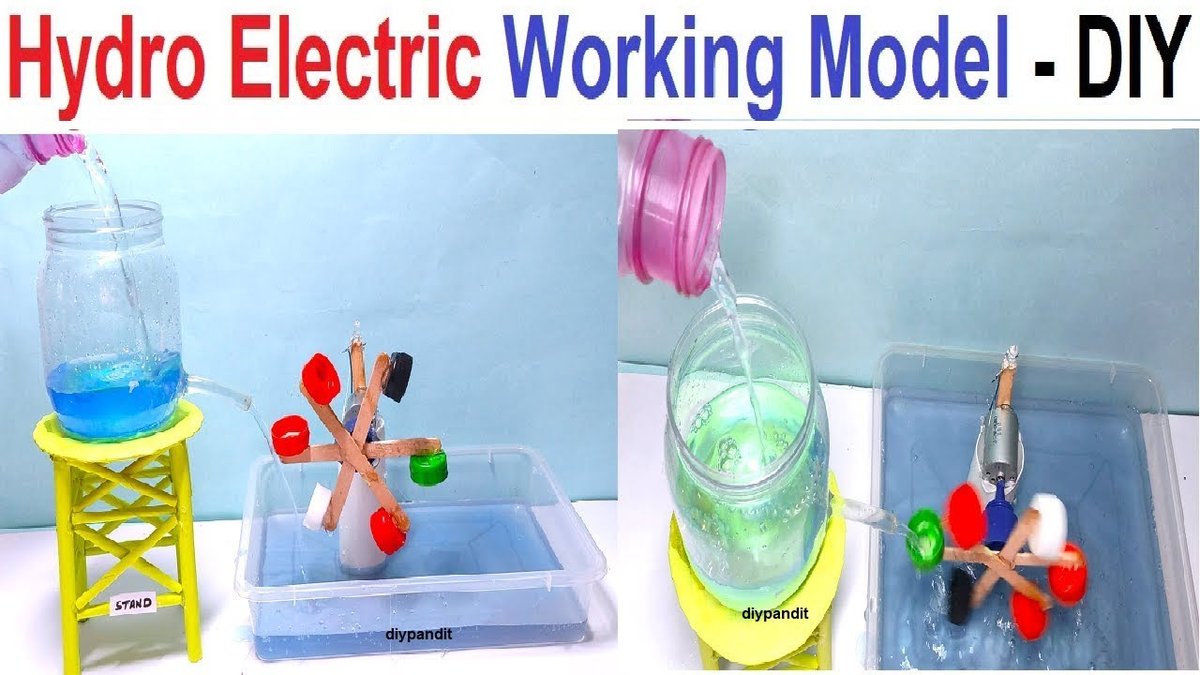
Embarking on a journey toward true energy independence means looking beyond the familiar hum of the grid and exploring innovative ways to power your life. For many seeking an off-grid lifestyle, DIY and Small-Scale Hydroelectric Projects offer a robust, reliable, and surprisingly accessible solution. Imagine a continuous, clean energy stream, quietly working day and night, immune to the whims of sun and wind, transforming a simple flowing water source into the electricity that runs your home.
This isn't just a dream; it's a tangible reality for countless individuals and communities worldwide. Micro-hydro systems are often considered the unsung heroes of renewable energy, capable of delivering power 24/7, year-round, at a lower cost per watt-hour than either solar or wind power. If you have a suitable water source, harnessing its power could be your most reliable path to off-grid autonomy.
At a Glance: Why Small-Scale Hydro Matters
- Continuous Power: Unlike solar or wind, hydro operates 24/7, offering consistent electricity output.
- Cost-Effective: Often yields cheaper power per watt-hour compared to photovoltaics (PV) and wind.
- High Efficiency: Converts water's energy to electricity with 40-70% efficiency, one of the highest among renewables.
- Long Lifespan: A well-maintained system can easily last over 20 years.
- Minimal Environmental Footprint: Can be designed for low impact, especially stream-in-flow systems.
- DIY Potential: While complex, many components and processes are within reach for a skilled homeowner.
Why Hydro? The Unsung Hero of Off-Grid Power
When you think off-grid, solar panels and wind turbines often come to mind first. They're fantastic technologies, but they share a common challenge: intermittency. The sun doesn't shine at night, and the wind doesn't always blow. This requires robust battery banks and careful energy management.
Micro-hydro, however, operates on a different principle: the relentless, predictable force of gravity acting on water. It's a system that converts the gravitational potential energy of water into kinetic energy, then into mechanical energy via a turbine, and finally into electricity through electromagnetic induction. This continuous conversion means a steady, reliable power supply that often requires less battery storage than other intermittent sources. We're talking about consistent output, generating anywhere from 100-500 watts (2.4-12 kWh daily), around the clock.
The Power Equation: Head, Flow, and Efficiency
The heart of hydro power lies in two primary factors:
- Head (Vertical Drop): This is the vertical distance between your water source (where you divert the water) and the turbine location. Think of it as the pressure driving the system. Every 2.31 feet of head generates 1 PSI of pressure.
- Flow (Volume of Water): This is the quantity of water moving through your system, typically measured in gallons per minute (gpm) or liters per second.
Crucially, a system with high head but low flow can produce the same power as one with low head but high flow. The relationship isn't linear; power output follows a cubic relationship with water flow. Doubling the flow rate, for example, produces eight times the power output! This is a critical concept to grasp when sizing your system.
To get a rough estimate of potential power (in watts), you can use this formula:Head (feet) × Flow (gpm) × 0.18 (efficiency factor) = Watts
Keep in mind that this "efficiency factor" accounts for typical losses from pipeline friction (10-20%), the turbine itself (20-40%), mechanical coupling (5-10%), and the generator (10-20%). A well-designed system boasts an overall efficiency of 40-70%, making it one of the most efficient renewable technologies available.
The Anatomy of a Micro-Hydro System: What You'll Need
Building a small-scale hydro system is like assembling a carefully orchestrated series of components, each playing a vital role in transforming flowing water into usable electricity. Here's a breakdown:
- Water Intake and Filtration: This is where you first meet the water. It's designed to channel water efficiently from its source while keeping debris (leaves, sticks, sediment) out of your system.
- Penstock (Pipeline): The crucial conduit that delivers water under pressure from the intake to the turbine. Its material and diameter are vital for minimizing friction losses and handling pressure.
- Turbine: The mechanical workhorse. It's designed to capture the energy from the flowing water and convert it into rotational motion. Turbines are highly specialized, optimized for specific head and flow conditions.
- Generator: Coupled to the turbine, this component converts the mechanical rotational energy into electrical energy through electromagnetic induction. It might be direct-drive or belt-driven.
- Electrical System: This is the brains and brawn of your power management, including:
- Charge Controller: Regulates the electricity from the generator, preventing overcharging.
- Battery Storage: Stores excess electricity for use when the generator output is low or demand is high.
- Inverter: Converts DC (direct current) electricity from batteries to AC (alternating current) for standard household appliances.
- Monitoring and Protection Systems: Gauges, meters, fuses, and breakers to ensure safe and efficient operation.
Choosing Your Turbine: Matching Water to Technology
Selecting the right turbine is paramount. It's not a one-size-fits-all situation; your choice hinges entirely on your site's unique head and flow characteristics.
Impulse Turbines: For High-Head, Lower-Flow Scenarios
These turbines use the velocity of a high-pressure water jet to spin the runner.
- Pelton Wheel: The classic choice for very high-head, relatively low-flow systems. High-velocity water jets strike spoon-shaped buckets, causing the wheel to rotate with incredible efficiency. Ideal for steep mountain streams.
- Turgo Turbine: A close relative of the Pelton, suited for medium-high head systems. It uses angled buckets that allow water to enter from one side and exit from the other, often handling slightly higher flow than a Pelton for a given diameter.
- Banki (Crossflow) Turbine: A versatile option for lower-head, higher-flow applications. It features a drum with precisely spaced slats, allowing water to flow through the turbine twice, once on entry and once on exit. Known for good efficiency across a wide range of flows.
Reaction Turbines: When Pressure Differentials Drive Power
Reaction turbines utilize both the pressure and the velocity of water, operating fully submerged and reacting to the pressure drop across their blades. Designs like Propeller and Francis turbines are common for very low head, high-flow situations, often requiring more complex civil engineering.
Alternative & Niche Methods: Thinking Outside the Penstock
Not every site fits the classic Pelton or Crossflow mold. Here are some innovative approaches:
- Low-Head Propeller Systems: For sites with less than 10 feet of head but substantial flow. These submerged, axial-flow propellers don't need pressurized pipelines and are often placed directly in a fast-moving river or canal.
- Stream-In-Flow Turbines: These are literally placed directly in a flowing stream or river. They require no dam or diversion, minimizing environmental impact. While their efficiency is lower than diverted systems, their ease of installation and minimal ecological disturbance make them appealing for appropriate sites.
- Hydraulic Ram Pump Hybrid: An ingenious solution! A hydraulic ram pump uses the kinetic energy of flowing water to pump a smaller amount of water to a much higher elevation. This higher elevation then creates usable head for a small, high-head turbine, effectively creating power from a low-head source.
- Gravity-Fed Water System Integration: If you already have a gravity-fed water system (e.g., for domestic use or irrigation), you can often extract energy from the pressure reduction needed for household supply, turning it into electricity.
- Archimedes Screw Generator: A fantastic option for very low-head sites (3-30 feet), especially those with fluctuating water levels or debris. These large, slow-spinning screws are incredibly fish-friendly, largely self-cleaning, and can handle a surprising amount of debris without issue.
The DIY Journey: A Step-by-Step Guide to Your Micro-Hydro Project
Building your own micro-hydro system is a rewarding, multi-stage project. It demands careful planning, practical skills, and a healthy respect for both water and electricity.
Step 1: Your Site, Your Power – The Critical Assessment
This is where your hydro dreams meet reality. Accuracy here is paramount.
- Measure Head and Flow: This is the most critical step.
- Head: Use a surveyor's level, a transit, or even a long, clear hose with water (a DIY manometer) to measure the vertical drop from your proposed intake to the turbine site. Do this carefully, accounting for the entire run.
- Flow: This requires a bit of ingenuity. For smaller flows, you can dam a stream temporarily and divert its entire flow into a known volume container (e.g., a 5-gallon bucket) and time how long it takes to fill. For larger flows, you might need to use a weir or a current meter.
- Assess Seasonal Variations: Water flow isn't constant. Observe your water source over different seasons (dry spell, rainy season, snowmelt) to understand its variability. You'll design your system around the lowest consistent flow.
- Calculate Potential Power: Use the formula (Head × Flow × 0.18) to estimate your power output. Be realistic and factor in losses.
- Choose System Type: Based on your head and flow, decide on the appropriate turbine (e.g., Pelton/Turgo for high head/low flow, crossflow/propeller for low head/high flow).
- Plan Layout: Sketch out your entire system: intake location, penstock route, turbine placement, and generator/electrical shed. Minimize bends in your penstock!
- Consider Regulations: This is a big one. Check local, state, and federal regulations regarding water rights, environmental impact, diversions, and electrical installations. Permitting can be complex but is non-negotiable.
Step 2: The Water's Gateway – Intake & Filtration
Your intake is where clean, debris-free water enters your system.
- Select a Consistent Location: Choose a spot in the stream that has reliable flow, even in dry seasons, and is naturally protected from large debris.
- Build a Diversion Structure: A small weir or channel helps divert a portion of the stream's flow into your intake.
- Install Screens: Use a coarse screen (1-2 inch spacing) to block large debris, followed by a finer screen (1/8-1/4 inch) to catch smaller particles and protect fish. Design these for easy cleaning.
- Create a Settling Basin (Forebay): Before the penstock, a small basin allows sediment to settle out, further protecting your turbine and pipeline. Include a flush valve to periodically clean out accumulated sediment.
- Include a Control Valve: A sturdy valve at the intake allows you to shut off water flow to the penstock for maintenance or emergencies.
Step 3: The Lifeline – Installing the Penstock Pipeline
The penstock is critical for efficiently delivering pressurized water to your turbine.
- Select Pipe Material:
- PVC: Cost-effective for low-pressure, low-head systems.
- HDPE (High-Density Polyethylene): Excellent for higher pressures, flexible, and durable.
- Metal (Steel, Ductile Iron): Best for very high heads and pressures, but heavier and more expensive.
- Minimize Bends: Every bend creates friction loss, reducing efficiency. Run the pipeline as straight as possible.
- Excavate a Trench: Burying the penstock (12-18 inches deep, or below the frost line in cold climates) protects it from damage, UV degradation, and freezing. Ensure a consistent slope.
- Install Thrust Blocks: At every bend or change in slope, concrete thrust blocks are essential to prevent the pipe from moving under pressure. Water pressure against a bend can be immense.
- Include Pressure Gauges, Air Release, and Drain Valves:
- Pressure Gauges: At the intake and just before the turbine, help monitor system performance.
- Air Release Valves: Essential at high points in the pipeline to prevent airlock.
- Drain Valves: At low points, these allow you to empty the penstock for maintenance or winterization.
- Pressure Test: Before burying the pipe, conduct a thorough pressure test to check for leaks.
Step 4: The Heart of the System – Building or Installing Your Turbine
This is where the magic happens. Whether you're fabricating one or installing a commercial unit, precision is key.
- Fabricate or Purchase: Many DIYers build their own impulse turbines (Pelton, Turgo, Crossflow) from scratch, while others opt for pre-made units.
- Ensure Precise Alignment: The turbine shaft must be perfectly aligned with the generator shaft to prevent undue wear and vibration.
- Balance the Turbine: An unbalanced turbine will vibrate excessively, leading to bearing failure and inefficiency.
- Install Water-Resistant Bearings: High-quality, sealed bearings are crucial for longevity.
- Create a Housing: A robust, weather-resistant housing protects the turbine from the elements and debris.
- Fabricate a Nozzle (for Impulse Turbines): The nozzle's size is critical for optimizing the water jet for your specific flow and head. You may need to experiment with different nozzle inserts during optimization.
Step 5: Powering Up – Connecting the Generator System
The generator converts the turbine's mechanical energy into usable electricity.
- Select a Generator:
- Permanent Magnet Generator (PMG): Often preferred for micro-hydro due to their efficiency at varying RPMs and ability to produce power at lower speeds.
- Alternator: Modified car alternators can be used for smaller systems but may require more complex regulation.
- Mount Securely: The generator must be mounted on a stable, vibration-free base, often directly integrated with the turbine housing.
- Use Flexible Coupling: For direct-drive systems, a flexible coupling absorbs minor misalignments and vibrations between the turbine and generator shafts. For belt/chain drive systems, ensure appropriate pulleys and tension.
- Install Weatherproof Housing: Protect the generator from moisture, dust, and temperature extremes.
- Include Output Monitoring: Install a voltmeter and ammeter to monitor the generator's output.
When selecting and connecting your generator, understanding its specifications and how it integrates with your turbine is essential. To dive deeper into the different types and their operational principles, you can learn more about hydroelectric generators.
Step 6: The Brains of the Operation – The Electrical Control System
This is where the raw electricity becomes regulated, stored, and usable power for your home.
- Mount Components in a Weatherproof Enclosure: All electrical components must be protected from the elements.
- Install a Hydro-Specific Charge Controller: These are designed to handle the continuous output of hydro generators, often including "dump loads."
- Dump Loads: These are resistive heating elements (like water heaters or space heaters) that safely consume excess electricity when batteries are full, preventing overcharging and keeping the turbine under load, which is healthier for the system.
- Use Appropriate Fusing/Breakers and Wire Gauges: Safety first! Proper circuit protection and correctly sized wires are critical to prevent overheating and fire.
- Connect to a Battery Bank: Deep-cycle batteries (lead-acid, lithium-ion) store the generated power. Size your bank to meet your typical daily energy needs and provide autonomy during low-flow periods.
- Install a System Monitor: Provides real-time data on battery state-of-charge, power consumption, and generation.
- Inverter (if AC): Converts the DC power from your batteries into standard AC power for most household appliances. Size it to handle your peak power demands.
- Ensure Proper Grounding and Lightning Protection: Crucial for safety and protecting your valuable equipment from electrical surges.
Step 7: Bringing It to Life – System Testing and Optimization
Once everything is built, it's time to bring your system online and fine-tune its performance.
- Controlled Startup: Gradually open the intake valve, allowing water to flow to the turbine. Monitor all connections for leaks.
- Measure Water Pressure and Electrical Output: Use your gauges and meters to verify water pressure and electrical output under various flow conditions.
- Verify Charge Controller Function: Ensure it's effectively charging batteries and diverting excess power to the dump load when needed.
- Test Emergency Shutdown: Practice shutting down the system safely.
- Measure RPM: Check the turbine and generator RPMs to ensure they are operating within optimal ranges.
- Check for Leaks/Obstructions: Walk the entire penstock route, checking for any leaks or blockages.
- Optimize Nozzle Size: For impulse turbines, you may need to experiment with different nozzle diameters to achieve the best balance of flow and pressure for maximum power output.
Step 8: Keeping the Lights On – Maintenance Procedures and Safeguards
A well-maintained system will serve you reliably for decades.
- Comprehensive Schedule:
- Daily: Clean intake screens (leaves, twigs can quickly reduce flow).
- Weekly/Bi-weekly: Flush the settling basin to remove accumulated sediment.
- Monthly/Quarterly: Lubricate turbine bearings (if not sealed), inspect penstock for damage or leaks, check electrical connections for corrosion.
- Annually: Perform a thorough inspection of the entire system, including turbine runner, generator brushes (if applicable), and battery terminals.
- Seasonal Shutdown Protocols: In areas prone to freezing, have a plan for draining the penstock and protecting the turbine/generator during winter.
- Monitor Streamflow: Keep an eye on local weather patterns and stream levels to anticipate changes in power output.
- Keep Spare Parts: Having spare bearings, nozzle inserts, or screen material on hand can prevent extended downtime.
- Establish Emergency Response Plans: Know how to quickly and safely shut down the system in case of an overflow, pipeline breach, or electrical fault.
Don't Forget: Safety & Environmental Stewardship
Working with powerful forces like moving water and electricity demands a strong commitment to safety and environmental responsibility.
Physical Safety
- Wear PPE: Always use appropriate personal protective equipment (gloves, eye protection, sturdy footwear) when working on the system.
- Secure Pipelines: Ensure all pipe sections are properly joined and anchored, especially in areas with steep slopes.
- Provide Adequate Drainage/Railings: Around the turbine and generator shed, ensure good drainage and install railings where there's a fall risk.
- Use Proper Lifting Techniques: Components can be heavy; use mechanical aids or assistance for lifting.
- Avoid Working Alone in Moving Water: If working near the intake or in the stream, always have a buddy.
Electrical Safety
- Implement Proper System Grounding: A robust grounding system (including GFCI protection where appropriate) is essential.
- Lightning Protection: Install surge arresters to protect your electrical system from lightning strikes.
- Weatherproof Enclosures: All electrical connections and components must be housed in weatherproof enclosures.
- Label Circuits Clearly: Ensure all circuits, breakers, and switches are clearly labeled.
- Use Lockout/Tagout Procedures: When performing maintenance, disconnect power and use lockout/tagout devices to prevent accidental energization.
Water Management Safety
- Install Pressure Relief Valves: These can protect your penstock from dangerously high pressures or water hammer effects.
- Prevent Water Hammer: Design the penstock and control valves to minimize sudden changes in water flow that can cause damaging pressure surges.
- Include Emergency Shutdown: Have a quick and accessible way to shut off water flow to the turbine.
- Ensure Pipeline Drainage: In cold climates, design the penstock to be fully drainable to prevent freezing and bursting.
- Prevent Stream Dewatering: Ensure your diversion never fully dewaters the stream, especially during low-flow periods.
- Monitor Downstream for Erosion: Ensure your turbine's tailrace (where water exits) doesn't cause erosion downstream.
Environmental Considerations
- Adhere to Local Regulations: Respect water rights and environmental protection laws. These can vary significantly by location.
- Maintain Minimum Stream Flow: Always ensure sufficient water remains in the natural stream channel to support aquatic life downstream, even after diversion.
- Minimize Aquatic Organism Capture: Fine intake screens are crucial to prevent fish and other aquatic creatures from entering your penstock.
- Prevent Contamination: Ensure no lubricants, fuels, or other contaminants can enter the stream from your equipment.
- Minimize Stream Bank Disturbance: Practice responsible land management during construction to prevent erosion and habitat degradation.
Frequently Asked Questions (FAQs) About Small-Scale Hydro
Venturing into micro-hydro often brings up specific questions. Here are some common ones:
Is hydro really 24/7? What if the stream dries up?
Yes, hydro is inherently 24/7, provided you have consistent water flow. The "critical initial step" of assessing seasonal variations is key. You design your system based on the lowest reliable flow you can expect. If your stream frequently dries up, micro-hydro might not be your primary power source, or you'd need a hybrid system (e.g., with solar) to cover those periods.
How much maintenance does a micro-hydro system typically require?
Compared to solar panels (which primarily need cleaning) or wind turbines (which can require significant periodic tower work), hydro is relatively hands-on. Expect 1-2 hours per week for tasks like cleaning intake screens and flushing settling basins. More intensive tasks like bearing lubrication are less frequent.
What about freezing in winter?
This is a major consideration for northern climates. Burying the penstock below the frost line is essential. The turbine itself can often be housed in a protected, insulated shed. Drain valves are critical for completely emptying the penstock if you need to shut down the system for winter. Many systems can operate through winter if designed correctly, as flowing water tends to resist freezing.
Can I still do micro-hydro if I don't have a huge stream or waterfall?
Absolutely! Remember that a high-head, low-flow system can yield the same power as a low-head, high-flow system. Even a small spring or irrigation ditch might be viable if you can create enough vertical drop. And with options like low-head propeller systems or Archimedes screws, even very modest drops can be harnessed with sufficient flow. The key is careful measurement and selecting the right turbine type.
Where to Learn More & Find Your Gear
The world of micro-hydro is rich with resources. Don't go it alone!
References for Deeper Dives
- "Microhydro-Electric Systems Simplfied" by Paul Cunningham and Ian Woofenden
- "Microhydro - Clean Power from Water" by Scott Davis
- "Intro to Hydro Power" by Dan New (a classic from Home Power Magazine)
- "Micro-Hydropower Systems -- A Buyer's Guide" by Natural Resources Canada
- VITA (Volunteers in Technical Assistance) manuals for Overshot Water Wheel and Banki Turbine design provide excellent DIY construction guides.
Calculators to Aid Your Planning
- Energy Alternative Micro Hydro Calculator: A useful tool for quick estimates.
- Rocky Hydro Hydroelectric Calculator: Offers more detailed calculations.
Trusted Suppliers (Examples)
- APMHydro: Known for Pelton wheels and components, offering systems up to 3000W.
- Energy Systems and Designs Limited (ES&D): Offers robust Pelton and propeller turbines, often around 1000W output.
- Rocky Hydro: Provides packaged systems, Turgo wheels, and various individual components.
- ECOInnovation New Zealand: Specialists in Pelton turbines up to 1800W, including DC generators.
- PowerSpout: Offers three popular micro-hydro models, highly regarded for efficiency and reliability.
Your Next Steps to Hydro Independence
Embracing DIY and small-scale hydroelectric projects for off-grid living is more than just installing equipment; it's adopting a mindset of resourcefulness and self-reliance. If you've got a flowing water source on your property, you're sitting on a potential goldmine of continuous, clean energy.
Your journey begins with careful, accurate measurements of head and flow. That data will dictate your system design, turbine choice, and ultimately, your electrical output. From there, it's a step-by-step process of planning, constructing, and maintaining a system that will reliably serve your off-grid energy needs for decades. It's challenging, rewarding work that puts you directly in control of your power future. So, grab your measuring tape, put on your boots, and start exploring the potential that flows right past your door. The peace of mind that comes with self-sufficient, sustainable power is truly priceless.