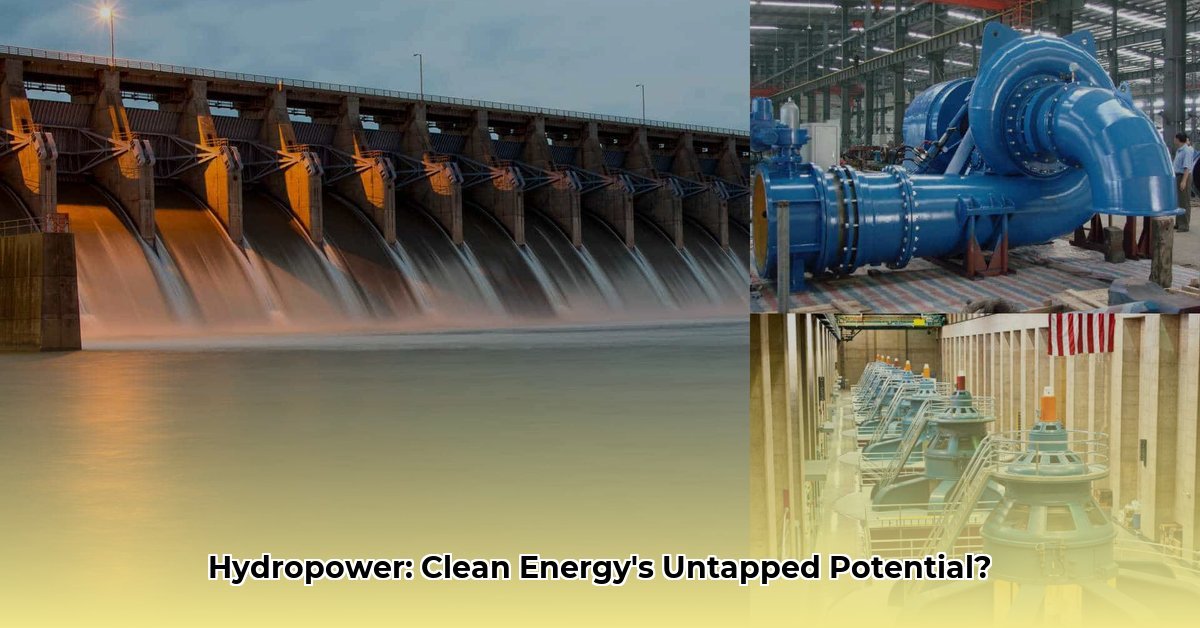
The whisper of a river, the silent strength of falling water — it's more than just a scenic vista; it's a profound source of clean, renewable energy. For millennia, humanity has harnessed water's power, but today, Designing and Installing Hydroelectric Systems represents a sophisticated blend of engineering, environmental stewardship, and sustainable vision. This isn't just about building a dam; it's about crafting an intricate system that works in harmony with nature to provide reliable power, often for generations.
At a Glance: What You'll Discover
- Hydropower's Core Value: Why it's a vital, sustainable energy source for a cleaner future.
- The Multidisciplinary Challenge: Understanding the complex blend of engineering and environmental science required.
- The Four Key Phases: From choosing the perfect location to keeping the system running efficiently.
- Environmental Responsibility: How modern projects mitigate impact and foster coexistence.
- Navigating Regulations: Understanding the permits and frameworks that govern development.
- Future Innovations: The cutting edge of technology shaping tomorrow's hydroelectric plants.
- Lessons from Legends: Insights from successful projects around the globe.
The Enduring Promise of Hydropower
Imagine an energy source that replenishes itself, doesn't pollute the air with greenhouse gases, and can even help manage water resources. That's the essence of hydropower. It leverages the earth's natural hydrological cycle—evaporation, condensation, precipitation, and runoff—a continuous, self-renewing loop. By capturing the kinetic energy of moving water and transforming it into electricity, hydroelectric systems offer a clean, reliable alternative to fossil fuels, reducing our carbon footprint and contributing significantly to a sustainable energy future. They're critical for grid stability, offering instant-on power that other renewables can't always match, and they play a crucial role in flood prevention and ensuring clean water supplies.
The Hydroelectric Engineering Journey: A Multidisciplinary Endeavor
Building a hydroelectric power plant is far from a solo act. It's a grand symphony of specialized knowledge, requiring the expertise of civil, mechanical, electrical, and environmental engineers, alongside hydrologists, geologists, and community planners. Each plays a vital role in navigating the intricate process, from initial concept to power generation.
Phase 1: Pinpointing the Perfect Spot – Site Selection
Before a single shovel breaks ground, the most critical decision is where to build. Site selection isn't just about finding a river; it's a meticulous evaluation of dozens of factors that determine a project's viability, efficiency, and impact.
You'll need to consider:
- Water Resource Availability: Is there a consistent and sufficient flow rate? What are the hydrological characteristics, including seasonal variations and historical flow data?
- Topography and Geology: Does the land's elevation drop create enough "head" (the vertical distance water falls) for power generation? Is the geological structure stable enough to support heavy infrastructure like dams and powerhouses?
- Environmental Impact Assessment (EIA): This is paramount. What are the potential effects on local habitats, water quality, and wildlife? How will it impact existing aquatic and terrestrial ecosystems? Modern projects meticulously model these impacts using advanced technologies to inform decisions.
- Community and Stakeholder Engagement: Early and meaningful involvement with local communities, indigenous groups, and other stakeholders is crucial. Their insights and concerns can shape the project, ensuring it benefits, rather than harms, those most directly affected.
- Accessibility: How will materials and personnel reach the site during construction and operation?
This initial phase often involves extensive surveys, satellite imagery analysis, hydrological modeling, and environmental studies, often utilizing sophisticated software to predict outcomes and optimize choices.
Phase 2: Crafting the Blueprint – Design and Components
Once a site is chosen, the real engineering challenge begins: designing a system that balances functionality, economic feasibility, and environmental sustainability. This phase involves creating detailed plans for every component.
Core Components You'll Design:
- Dams and Water Intake Structures: These structures manage water flow, creating the necessary head and reservoir. Design must consider structural integrity, seismic activity, and efficient water diversion into the system. It's not always a massive concrete wall; some projects use "run-of-river" designs that divert a portion of the flow without a large reservoir.
- Penstocks: These are large pipelines that channel water from the intake to the turbines. They must withstand immense pressure and be designed for minimal friction loss, maximizing the water's kinetic energy.
- The Heart of the System: Turbines & Generators: This is where the magic happens. Water rushes through the turbine, spinning its blades. This rotational energy is then transferred to a generator, which converts mechanical energy into electricity. Different types of turbines (e.g., Francis, Pelton, Kaplan) are chosen based on the site's specific head and flow characteristics. Understanding these intricate machines is key to optimizing output and efficiency. You can Learn more about hydroelectric generators and how they form the backbone of a hydropower plant.
- Powerhouse: This building houses the turbines, generators, and control systems. Its design needs to accommodate heavy machinery, provide access for maintenance, and protect equipment from environmental elements.
- Electrical Systems: Beyond the generator, this includes transformers to step up the voltage for efficient transmission, switchyards, and transmission lines that connect the plant to the electrical grid.
Mastering Water Flow: From Reservoir to River
An effective hydroelectric design isn't just about maximizing power; it's about intelligent water resource management. This includes:
- Assessing Water Availability: Continuous monitoring of flow rates and understanding seasonal hydrological cycles are vital for predicting and optimizing power generation throughout the year.
- Seasonal Flow Management: Designing for seasonal variations means ensuring adequate water for both power production and downstream ecological needs, often requiring complex reservoir management strategies.
- Water Quality Monitoring: Maintaining water quality (pH, turbidity, temperature) is crucial, both within the reservoir and for the river downstream, preventing adverse ecological impacts. Innovative strategies often involve advanced turbine designs that are more fish-friendly and sophisticated water release systems that mimic natural flow patterns. Adherence to strict dam safety regulations and engineering standards is non-negotiable.
Phase 3: Bringing the Vision to Life – Construction and Implementation
This is the phase where designs transform into tangible structures. Construction of hydroelectric systems demands significant investment, robust project management, and unwavering adherence to safety and quality.
Financial Realities and Economic Benefits:
Hydroelectric projects typically involve substantial upfront capital investment. Costs encompass everything from initial site preparation and material procurement to construction labor, equipment, and environmental mitigation measures. Funding often comes from a mix of government grants, private investors, and international financial institutions.
However, the economic benefits extend far beyond energy production. Projects often create numerous local jobs during construction and operation, stimulating regional economic growth and improving infrastructure.
Stages of a Hydroelectric Project:
A typical project progresses through several distinct stages:
- Feasibility Study: Comprehensive analysis of economic, technical, and environmental viability.
- Design: Detailed engineering plans.
- Permitting: Securing all necessary regulatory approvals.
- Construction: Building the physical infrastructure.
- Testing: Commissioning and performance validation.
- Operation: Generating electricity.
- Maintenance: Ongoing upkeep to ensure longevity and efficiency.
Effective Construction Practices:
- Rigorous Quality Control: Every step, from concrete pouring to equipment installation, must meet stringent engineering specifications.
- Advanced Technologies: Modern projects leverage innovations like modular construction (pre-fabricating components off-site), digital twinning (creating virtual models for real-time monitoring and simulation), and drone technology for surveying and progress tracking.
- Strict Safety Protocols: Given the scale and complexity, comprehensive safety audits, mandatory Personal Protective Equipment (PPE), and detailed emergency response plans are critical to protecting workers and the surrounding environment.
Phase 4: Sustaining the Flow – Maintenance and Operation
A hydroelectric plant is a long-term asset, often operating for 50 to 100 years or more. Its longevity and efficiency depend heavily on consistent, proactive maintenance and optimized operational strategies.
Routine Maintenance for Peak Performance:
Regular inspections are paramount. This involves:
- Component Checks: Turbines, generators, control systems, and associated electrical equipment undergo routine inspections for wear, tear, and potential faults.
- Parts Replacement: Timely replacement of seals, bearings, and other wear-and-tear components prevents costly breakdowns.
- Corrosion Control: Protecting metal components from water-induced corrosion is a continuous effort, often involving specialized coatings and cathodic protection.
- Software Updates: Modern control systems rely on sophisticated software, requiring regular updates and cybersecurity measures.
Common Challenges and Solutions:
Operators often encounter issues such as:
- Turbine Vibration: Can indicate imbalance or wear; often addressed with dynamic balancing or component repair.
- Overheating Generators: Requires attention to cooling systems, bearing lubrication, and load management.
- Control System Malfunctions: Addressed through diagnostics, software troubleshooting, and hardware replacement.
Optimizing Operations for Maximum Impact:
The goal is to maximize energy production while minimizing environmental impact. This is achieved through:
- Predictive Maintenance: Leveraging data analytics and machine learning algorithms to anticipate equipment failures before they occur, scheduling maintenance proactively rather than reactively.
- Real-time Monitoring: Continuous data collection from sensors throughout the plant allows operators to make immediate adjustments, ensuring optimal performance and rapid response to any anomalies.
- Integrated Resource Management: Coordinating operations with other renewable sources and grid demands to provide stable, reliable power to the grid.
Navigating the Waters: Environmental Stewardship in Hydro Development
While hydropower is clean, its development isn't without environmental considerations. Responsible design and installation actively mitigate these impacts.
Key environmental considerations and mitigation strategies include:
- Habitat Loss and Fragmentation: Reservoirs can inundate terrestrial habitats, and dams can impede fish migration.
- Mitigation: Designing fish ladders, bypass channels, or fish lifts; establishing protected areas; and compensating with habitat restoration elsewhere.
- Altered River Flow Regimes: Changing natural flow patterns can impact downstream ecosystems.
- Mitigation: Implementing "ecological flow releases" that mimic natural seasonal variations, ensuring sufficient water for aquatic life.
- Changes in Water Quality: Reservoirs can alter water temperature, oxygen levels, and sediment transport.
- Mitigation: Selective water withdrawals from different reservoir depths, aeration systems, and ongoing water quality monitoring to ensure ecological health.
- Displacement of Communities and Wildlife: Large projects can necessitate relocation.
- Mitigation: Thorough social impact assessments, fair compensation, robust resettlement programs, and wildlife relocation efforts.
Long-term environmental monitoring is essential to assess the effectiveness of mitigation measures and adapt management strategies over the project's lifespan.
The Regulatory Labyrinth: A Path to Permitting
The regulatory landscape for hydroelectric projects is incredibly complex, involving multiple layers of government agencies, laws, and permitting processes. Navigating this framework successfully is as critical as the engineering itself.
In the U.S., for instance, projects require federal authorization from agencies like the Federal Energy Regulatory Commission (FERC), which oversees non-federal hydropower projects. Other key federal laws include the National Environmental Policy Act (NEPA), requiring environmental impact statements, and the Endangered Species Act (ESA), which protects threatened and endangered species.
Beyond federal regulations, state and local permits address:
- Water Rights: Allocating and managing water use.
- Environmental Protection: State-specific environmental quality standards.
- Land Use and Zoning: Ensuring the project aligns with regional planning.
Developing a comprehensive permitting plan early in the project lifecycle is essential. This plan outlines all required permits, timelines, and strategies for engaging with regulatory bodies and public stakeholders. Delays in permitting can add significant costs and time to a project, highlighting the need for meticulous planning and proactive engagement.
Future Currents: Innovation & Integration in Hydroelectric Systems
The world of hydroelectric power is far from static. Technological advancements are continually pushing the boundaries of what's possible, making systems more efficient, resilient, and environmentally friendly.
- Next-Generation Turbines: Engineers are developing advanced turbine designs that are more efficient across variable flow rates (variable-speed turbines) and inherently more "fish-friendly," reducing mortality rates for aquatic life. New materials, including composites, offer enhanced durability and performance.
- Artificial Intelligence (AI) and Machine Learning: AI is revolutionizing operations. It's used to optimize energy production by predicting water availability and electricity demand, scheduling maintenance activities through predictive analytics, and enhancing grid stability by dynamically adjusting output.
- Integration with Other Renewables: Hydroelectric plants are increasingly acting as "natural batteries" for the grid. When solar or wind power generates excess electricity, it can be used to pump water uphill into a reservoir (pumped-hydro storage), to be released later to generate power when demand is high or other renewables are intermittent. This synergy is crucial for creating a stable, 100% renewable energy grid.
- Digital Twinning: Creating virtual, real-time models of physical power plants allows for advanced simulations, predictive maintenance, and operational optimization without impacting the live system.
These innovations highlight hydropower's evolving role, not just as a standalone power source, but as a crucial enabler of a broader, more integrated renewable energy landscape.
Real-World Successes: Lessons from Giants
Learning from monumental hydroelectric projects provides invaluable insights into best practices and the sheer scale of this engineering feat.
- Hoover Dam, USA: A triumph of Depression-era engineering, it tamed the Colorado River, provided flood control, irrigation, and power, fueling the development of the American Southwest. Its success underscored meticulous planning and robust construction.
- Glen Canyon Dam, USA: While controversial for its environmental impact, it demonstrated complex water management in an arid region and the challenges of balancing human needs with ecological preservation. Its ongoing management provides continuous lessons in environmental mitigation.
- Three Gorges Dam, China: The world's largest power station by installed capacity, it showcases the immense potential of hydropower but also highlights the significant social and environmental trade-offs, emphasizing the need for comprehensive stakeholder engagement and resettlement planning.
- Itumbiara Dam, Brazil: A significant project in the Paraná River basin, it exemplifies how large-scale hydropower can underpin industrial development while requiring continuous environmental monitoring and social programs.
From these projects, a few best practices consistently emerge: - Thorough Environmental Impact Assessment (EIA): Comprehensive studies are critical for understanding and mitigating potential negative effects.
- Stakeholder Engagement: Early, transparent, and continuous involvement of all affected parties leads to more equitable and sustainable outcomes.
- Innovative Engineering Solutions: Employing cutting-edge design and construction techniques can enhance efficiency and reduce environmental footprints.
- Robust Project Management: Meticulous planning, execution, and oversight are essential for managing complex, long-duration projects within budget and timeline.
Powering Forward: Your Role in the Hydroelectric Future
Designing and installing hydroelectric systems is a complex, capital-intensive, yet incredibly rewarding endeavor. Despite challenges like environmental concerns and regulatory complexities, hydropower remains a vital, reliable, and sustainable component of the global energy mix. It offers not just electricity, but also water management, flood control, and a pathway to reducing our dependence on fossil fuels.
Whether you're an aspiring engineer, an investor in sustainable infrastructure, a community leader, or simply someone interested in the future of energy, understanding the intricacies of hydroelectric power is key. It’s a testament to human ingenuity working in concert with natural forces, shaping a cleaner, more resilient world. The future of energy depends on our ability to harness such power responsibly, and hydropower stands ready to play its crucial part.